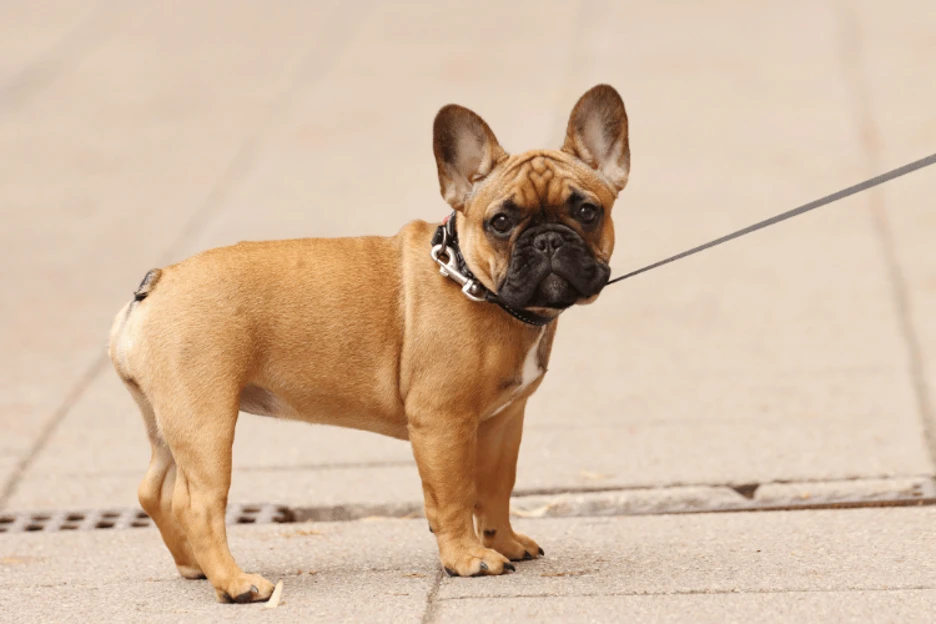

One of the first questions many first-time pet parents ask is: Are all Bulldogs the same? It’s an understandable assumption. After all, Bulldog breeds share a common ancestry and many similar physical traits that can make them hard to tell apart at first glance.
This changes immediately once you know what to look for and then you can see the major differences between these breeds - especially the French and English Bulldogs. Although both share that same squishy, irresistible face, the similarities largely end there.
Picturing the two dogs side by side, one is compact and alert, with oversized, triangular ears standing straight up like tiny satellite dishes. The other has a broader, heavier frame, moving with the slow, dignified swagger of a dog who has absolutely nowhere to be.
The personalities, temperaments, and overall history are also quite distinct. Which is why, in this article, we'll walk you through everything you need to know about these flat-faced dog breeds, so you leave knowing exactly which Bulldog fits your lifestyle.
A Tale of Two Bulldogs: French and English Bulldogs' History
The French Bulldog and English Bulldog share a common family tree: the Bulldog. Understanding where each breed came from explains a lot about who they are today.
The English Bulldog's Origin
The English Bulldog's history dates back to the brutal sport of bull baiting, popular in the 13th century. Bred in England for bull-baiting, a sport characterized by extreme aggression, these dogs were bred to be fearless.
When the sport was banned in 1835, compassionate breeders stepped in and spent generations selecting for calm temperament and loyalty. The AKC (American Kennel Club) recognized the English Bulldog in 1886, and that fierce working dog then became the ultimate couch companion.
The French Bulldog's Origin
The French Bulldog descended from miniature English Bulldogs brought to France by lacemakers in the 1800s during the Industrial Revolution. In Paris, these small dogs were crossed with local terriers, which gave them the iconic upright, bat-like ears that made them so popular.
The Parisian society fell in love with them, and they became very popular breeds, even among American tourists who eventually brought them back home. The AKC then recognized the French Bulldog in 1898.
Unlike the English Bulldog, the Frenchie was bred as a companion from the very beginning.
French vs English Bulldog Size & Appearance: Spot the Difference
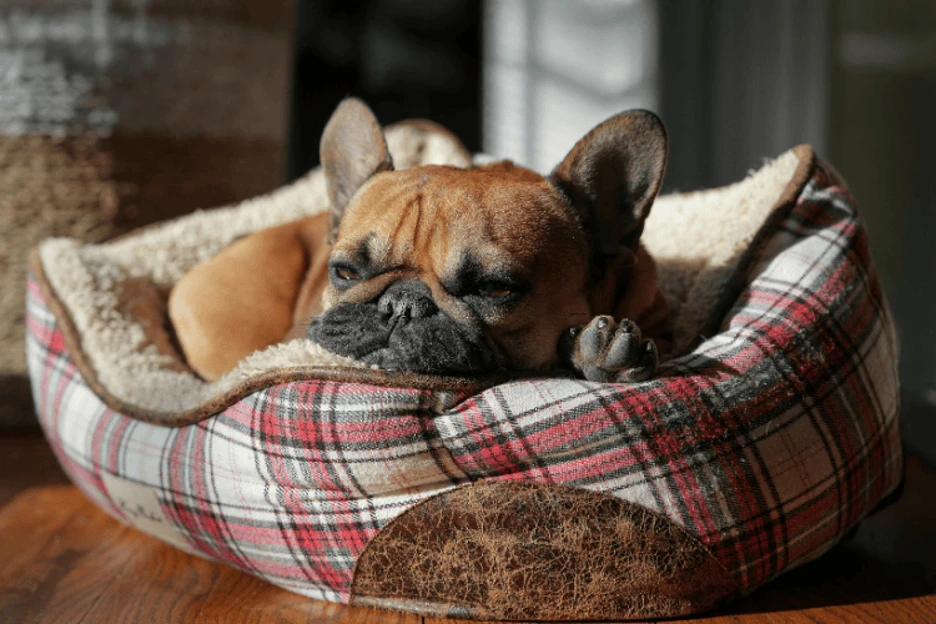
Image by David Kanigan
French Bulldogs and English Bulldogs share brachycephalic traits such as small, flat triangle-shaped ears and wrinkled faces, but clear differences in size and appearance make them easy to distinguish. Frenchies are generally more compact and bat-eared, while the English Bulldog appears stockier with a broader head shape.
French Bulldogs are typically shorter, standing 11-13 inches at the shoulder. Their weight ranges from 16 to 28 pounds, giving them a muscular yet portable build. Their coat is short and silky-smooth, coming in fawn, cream, brindle, white, and piebald.
English Bulldogs weigh 40-50 pounds, are taller, usually stand around 14-15 inches, and have a broader, low-slung stance.
Below, we highlight more of these differences for a clearer understanding:
French Bulldog
- ●Height: 11–13 inches
- ●Weight: under 28 lbs
- ●Compact, muscular body; broad chest; upright "bat ears"
- ●Rounder head; fewer facial folds
- ●Smooth, soft coat in cream, fawn, white, brindle, or piebald
- ●Eyes: large and round
English Bulldog
- ●Height: 14–15 inches
- ●Weight: 40–50 lbs
- ●Stocky, wide-set build; rose-shaped ears
- ●Larger, broader head with heavy, adorable wrinkles; signature jowls and nose
- ●Smooth coat in red, fawn, white, or brindle
- ●Eyes: smaller, set wider apart
French Bulldog vs English Bulldog: Personality & Temperament
Living with an English Bulldog feels completely different when compared to having a Frenchie as a companion. These distinctions are due to subtle differences in their personalities and temperament. Here's what your daily life is likely to look like with each one.
The French Bulldog's Personality
Frenchies are playful, fun-loving, and wonderful pets. They love being the center of attention, and they have a gift for making everyone in the room smile.
They're deeply attached to their people. Your Frenchie wants to be wherever you are, and that closeness is beautiful. It does mean, though, that they can struggle with long hours alone.
They're also generally wonderful with older children and adults; with toddlers, some supervision is advisable because they can be a little too enthusiastic, which might be too much for small kids. You can read our recent article for a more in-depth guide on what aFrenchie Bulldog is.
The English Bulldog Personality
English Bulldogs are calm and very laid-back. They embody every trait that characterizes lap dogs, moving through life at an unhurried pace.
This breed adores their owners, would often loves leaning into your leg, dozing at your feet, or just being near you. They also handle alone time better than a Frenchie and are phenomenal with kids of all ages. Their patience seems almost unlimited, and this steady nature makes them one of the most trusted family dogs around.
Both breeds are gentle, loving companions. The major difference is their energy level. While a Frenchie keeps you on your toes, an English Bulldog keeps you company on the couch.
Frenchie vs English Bulldog Trainability
French Bulldogs are smart and tuned into their people, which would likely work in your favor. They want to make you happy, but also have opinions about whether a particular command is worth their time right now.
They respond well to short, upbeat training sessions (10–15 minutes max before their attention wanders) and are motivated by both treats and praise. The key is making training fun and playful instead of turning it into a drill. Our article on the French Bulldog’s temperament and personality training can shed more light on this.
English Bulldogs are slower to pick things up, but not because they have an unbothered, nonchalant personality that makes them seem uninterested. They don't have the same eagerness to please as their French counterparts.
What they do have is an almost unlimited love for food, so high-value treats are your most powerful tool. They can learn everything a Frenchie can; it just takes more patience and regular, repetitive exercise.
What Works for Both Breeds
- ●Positive reinforcement, as both breeds don't respond well to harsh correction, unlike some other breeds
- ●Consistency: five minutes daily beats a one-hour session on the weekend
- ●Proper socialization starting in puppyhood exposes them to different people, sounds, and environments, so nothing fazes them as adults
- ●Keep sessions short and end on a win, so they associate training with good feelings
French Bulldog vs English Bulldog: Key Differences in Health & Care
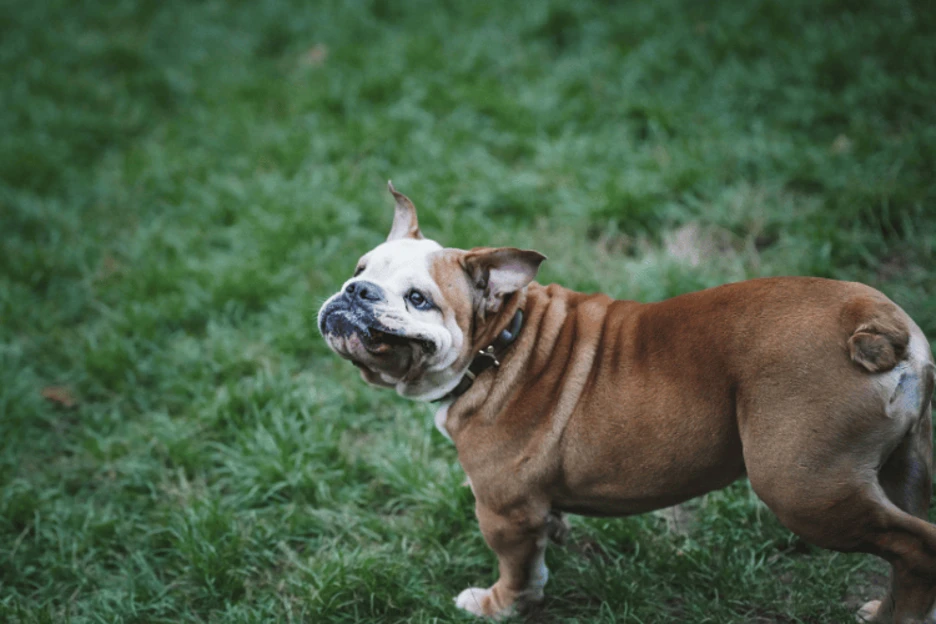
Image by Andreas Schnabl on Canva
Both Bulldogs are brachycephalic (flat-faced), which means they need tailored care to manage breed-specific risks. Owners need to prioritize checkups, weight control to prevent obesity, and environmental adjustments.
Common Health Issues
Both purebred dogs are prone to Brachycephalic Airway Syndrome, which can cause breathing problems, especially in extreme heat and humidity. Neither dog does well in hot weather, so keep outdoor exercise short and stick to cooler morning or evening hours.
The two breeds are also prone to skin fold dermatitis, meaning those irresistible wrinkles need regular cleaning and drying. Neither breed is a safe swimmer, as their top-heavy build makes deep water genuinely dangerous. Other common health problems include:
- ●Eye problems (cherry eye, ulcers)
- ●Hip dysplasia
- ●Patellar luxation
- ●Obesity risks
French Bulldog Health Specifics
French Bulldogs have a life expectancy of 10–12 years and are more prone to spinal issues, skin allergies, and autoimmune skin conditions.
English Bulldog Health Specifics
English Bulldogs have a lifespan of 8–10 years, tend to have more trouble breathing, and are more prone to hip dysplasia and joint problems due to their heavier build.
Overall, the health problems are breed-specific, but you have a better chance when you work with reputable breeders and sellers who prioritize the health and well-being of every puppy before anything else. For HonestPet, this additional care includes proper ethical standards, breeder guidelines, and full transparency throughout the process.
When you browse French Bulldogs for sale on our platform, you get puppies that are vet-checked, vaccinated, and come with a best-in-class health guarantee.
Grooming Needs
Neither the French nor the English Bulldog is a high-maintenance breed, but they need occasional care and an active lifestyle to give them a full life.
French Bulldog Grooming
The Frenchie's short coat is genuinely easy to care for. A quick weekly brush with a soft-bristle brush or grooming mitt keeps it glossy and removes loose hair before it ends up on your furniture. Shedding is also light, which is a real bonus if you're particular about your sofa.
The part that needs more consistent attention is their skin. Those soft facial folds trap moisture, food, and debris, which can quickly lead to irritation or infection if left unchecked. Make a habit of wiping between each fold every day with a soft, damp cloth or a gentle dog-safe wipe, and always dry thoroughly afterward.
Beyond that:
- ●Trim their nails every 3–4 weeks
- ●Clean their ears weekly with a vet-approved solution
- ●Brush their teeth several times a week. Bulldogs are prone to dental issues, and regular brushing makes a lot of difference.
English Bulldog Grooming
Brush their coat 2–3 times a week to manage their moderate shedding and keep their skin healthy. Like the Frenchie, their wrinkles need daily attention, and there's ample surface area to cover. Clean every fold on their face, around their nose, and under their chin daily.
The tail pocket is one important aspect of care that many new English Bulldog owners miss. That small fold of the English Bulldog's skin just beneath their tail needs daily cleaning too, because it's a spot where bacteria and yeast can build up fast, and cause infections. A gentle wipe with a dog-safe solution should be a part of your routine.
Nails, ears, and teeth follow the same schedule as the Frenchie, which is every 3–4 weeks, weekly, and several times a week, respectively. If you’re just starting your pet-parenting journey, here is a quick-start guide to help.
English or French Bulldog: Which One Fits Your Lifestyle?
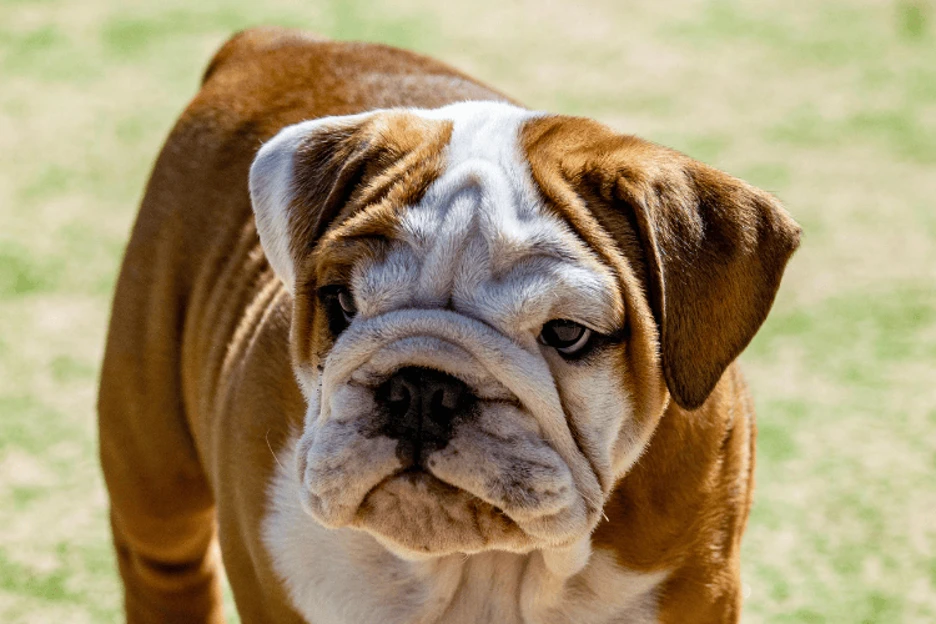
Image by Franco Monsalvo
Now, how do you pick the best one for you?
Choose a French Bulldog If
- ●You live in an apartment or a smaller home
- ●You want a high-energy, entertaining companion
- ●You travel frequently (Frenchies fly better due to their smaller size)
- ●You have older children or adults in the home
- ●You want a dog with a longer average lifespan
Choose an English Bulldog If
- ●You want a calm, low-energy companion for relaxed households
- ●You have young children who need a gentle, patient dog
- ●You have space (they need room to move; stairs can be tricky)
- ●You prefer less separation anxiety in your dog
- ●You love the classic Bulldog look with all its glorious wrinkles
FAQ
Is a French or English Bulldog better?
Neither French nor English Bulldogs are universally better. It depends on your lifestyle. French Bulldogs suit apartments better with their smaller size (under 28 lbs), playful energy, and quiet nature, while English Bulldogs (40-50 lbs) offer a calmer, more laid-back temperament but need ground-floor access due to joint issues and prefer less exercise.
How Much do They Cost?
English Bulldogs typically run $2,000–$4,000 from a responsible breeder. French Bulldogs tend to cost more, often $3,000 or more, with many averaging $5,000+. Both breeds require C-sections and artificial insemination, which drives up responsible breeding costs. Budget for ongoing vet care, and factor in pet insurance from day one.
Can Either Breed Swim?
Neither is safe in deep water. Their heavy build and flat faces make swimming dangerous because both breeds can sink quickly. Always use a fitted dog life vest near water, and never leave them unsupervised around pools or open water.
Which is Better for Apartments?
French Bulldogs are better suited for apartment living. Their smaller size, quiet nature, and lower exercise needs make them ideal for apartment living. They are also tolerant of other pets. English Bulldogs can adapt, but they do better on ground floors without many stairs.
Are Frenchies Healthier than English Bulldogs?
No, French Bulldogs are not healthier than English Bulldogs, as both suffer significant breed-specific health issues from their brachycephalic structure. However, Frenchies tend to live slightly longer.
Conclusion
Both Frenchies and English Bulldogs are full of love, and there is really no wrong choice. The ideal choice boils down to your lifestyle preferences, and we'd advise you to pick the one that best matches them.
When you're ready to welcome your Bulldog home, you deserve a trusted partner who handles every detail with the same love and care you'll give your new pup. At HonestPet, every puppy is raised with compassion, delivered safely, and sent to you with a full month of comprehensive pet insurance, because your peace of mind matters to us. Explore our available French Bulldogs and find the one who was always meant to be yours.
Ready to Get Started?
Find your perfect puppy and start your journey today!