

Poodles reclaimed their spot among the top five most popular dog breeds in the United States in 2022, according to the American Kennel Club (AKC), and they've held that position ever since.
It's easy to see why these dogs are so widely adored. Poodles are exceptionally intelligent, naturally affectionate, and their playful personalities often make them wonderful companions for families. They also tend to get along well with cats and other pets, which makes them a great fit for multi-pet households.
If you've heard plenty of praise about this breed or frequently see adorable Poodle videos popping up on your social media feeds, you probably already know they come in several sizes. Depending on the variety, your Poodle could be a Standard, Miniature, or Toy Poodle. And one question most first-time pet owners ask is which one should they pick? And what are the weight, height, or size of these curly coat dogs?
In this article, we discuss the Miniature Poodle and consider the official size standards, a growth-by-age breakdown, and how Minis compare to Toy and Standard Poodles. By the end of this piece, you'll be able to know which of them fits your interests and lifestyle.
Official Miniature Poodle Size
The AKC recognizes three varieties of poodles distinguished solely by their size. To answer the question how big is a Miniature Poodle? Let’s take a look at the facts.
Miniature Poodle Height
A Miniature Poodle measures over 10 inches but not exceeding 15 inches tall at the shoulder. Dogs 15 inches or under are classified as Miniatures, while those over 15 inches qualify as Standard. Anything 10 inches or under is a Toy.
Another thing to note is that according to the Poodle Club of America, height is the official size classifier, not weight. So if you're ever wondering whether your Poodle is truly a Miniature, the height is what matters.
To measure your Poodle's height, have them stand on a flat surface, then measure vertically from the floor straight up to their withers (the highest point between the shoulder blades).
Miniature Poodle Weight
The typical weight range for a Miniature Poodle is 10–15 lbs. While this is the breed standard, some healthy, slightly larger ones can weigh up to 20 lbs. Males can be somewhat stockier than females, but the difference is often small and nothing like the dramatic gap you'd see in other breeds.
The AKC also doesn't use weight as an official size criterion. A Poodle could technically weigh 9 lbs or 17 lbs and still be classified as a Miniature, as long as their height falls within the 10–15 inch range.
That said, a healthy, well-proportioned Mini should have what breeders call a "square build," which is roughly equal in height and body length, with a sturdy but elegant frame. Keeping an eye on body condition and weight management as your dog matures helps maintain that ideal build throughout their life.
Below is a quick look at size comparisons for the Miniature, Toy, and Standard Poodle.
| Size | Height | Est. Weight |
|---|---|---|
| Toy Poodle | Under 10 in | 4–6 lbs |
| Miniature Poodle | 10–15 in | 10–15 lbs |
| Standard Poodle | Over 15 in | 40–70 lbs |
Miniature Poodle Dog Breed Growth Chart: From Puppy to Full-Grown Adult
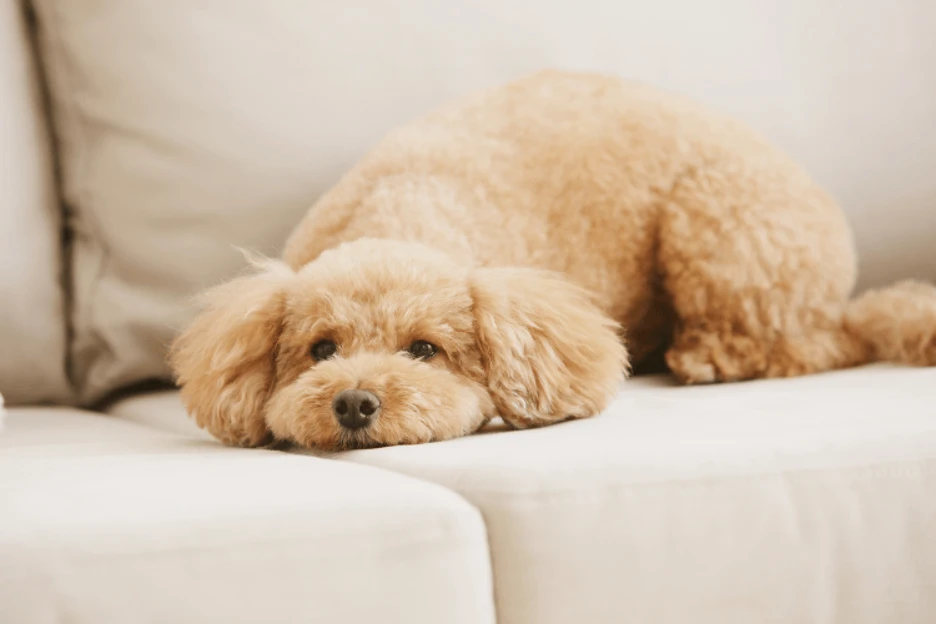
Image by Aflo Images on Canva
Mini Poodles grow quickly, which is one reason most owners are enthusiastic to start their parenting journey. You'll blink and suddenly that tiny, wide-eyed puppy you brought home is a fully grown dog. Here's what to expect at each stage of their growth.
Month-by-Month Growth Overview
At 8–10 weeks, which is usually around the time you're bringing them home, your Mini Poodle will be tiny and delicate. At this stage, you're advised to handle them with care. The 3–6 month window is when they gain the majority of their height. By six months, most pups have reached roughly half their adult weight.
From 9–12 months, they're approaching their final adult height. You may notice them continuing to fill out, gain muscle, have a broader chest, and a more mature appearance. This pattern goes on well into 18 months. It's also the ideal age to begin introducing basic commands and obedience training, since Miniature Poodles are fast learners and respond well to consistent, positive reinforcement.
Here's a weight and height chart per Age:
| Age | Weight (lbs) | % Adult Weight |
|---|---|---|
| 8 weeks | 2–5 | 15–25% |
| 16 weeks | 4–9 | 30–45% |
| 6 months | 6–12 | 45-60% |
| 9 months | 9–15 | 70–85% |
| 12 months | 11–18 | 85–100% |
When Does a Miniature Poodle Stop Growing?
Most Miniature Poodles reach their full height around 10–12 months. Physical maturity, including muscle and chest development, typically wraps up by 18 months. Mental maturity, which manifests as that calmer, more settled temperament, follows around the 18-month to 2-year mark.
Because Mini Poodles mature faster than large breeds, this also affects practical decisions, such as when to switch from puppy to adult food. Most vets recommend making that transition around 9–12 months for a Miniature Poodle. It's always worth a quick check-in with your vet to time this right for your specific pup. If you’re a first-time pet parent, our quick start guide on bringing home a new puppy can help you understand how to keep your puppy healthy and safe, and help them grow to live active and happy lives.
What Affects a Miniature Poodle's Size?
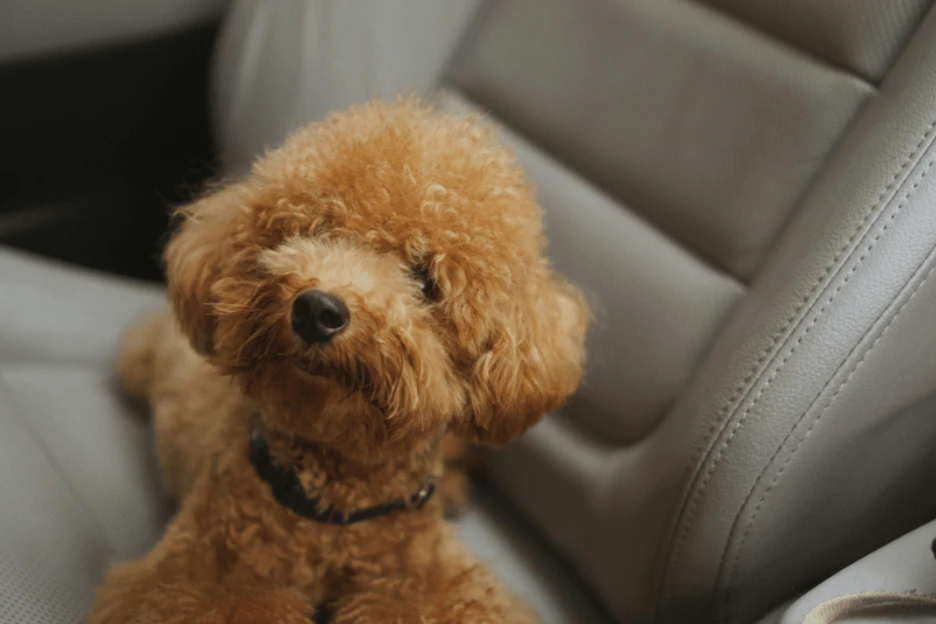
Image by Lizhnni on Canva
While we've talked about the standard height of a Mini Poodle being the 13-inch mark, it's also very possible that this won't be the reality for your pup. Not every Mini hits that mark, and it's totally normal. Several factors influence or dictate how your Poodle grows over time. These range from genetic conditions and parent size to sex, health issues, nutrition, and more.
Genetics and Parent Size
Size is a largely genetic factor. The single best predictor of your puppy's adult size is the size of their parents. A puppy rarely grows significantly bigger than its larger parent, so if you're buying from a breeder, ask to see or learn the parent sizes is a smart move. It's also worth noting whether either parent carries a hereditary condition that might affect growth or joint health, since some orthopedic problems can subtly influence how a pup develops. This is also why it's generally recommended that you buy from reputable sellers.
At HonestPet, we believe every puppy deserves to come from loving, responsible breeding, which is why we partner with breeders who adhere to strict ethical standards and prioritize the health and well-being of their dogs. This way, you can easily learn about a puppy's background, parent sizes, and early care.
Sex
Male Miniature Poodles tend to be slightly stockier and may weigh 1–2 lbs more than females. But unlike large or giant breeds, the difference between a male and female Mini Poodle is subtle. You're not going to end up with a dramatically different-sized dog based on sex alone.
Spay/Neuter Timing
Spay/neuter timing has a minor effect on Miniature Poodle size, mainly by influencing growth plate closure and bone length. For small breeds like Minis, early procedures (under six months) can slightly prolong growth, potentially adding 0.5–1 inch in height, while later timing (12–18 months) supports fuller muscle development without much height gain.
Health & Nutrition
Proper Miniature Poodle puppy food portions support healthy, balanced growth. It's important to remember that overfeeding doesn't make a puppy grow taller; it usually just leads to excess weight. On the other hand, underfeeding can slow development and prevent your puppy from reaching their full potential.
Finding the right balance through a well-planned meal routine helps ensure your puppy grows at a healthy and steady pace. It's also worth noting that Miniature Poodles are prone to patellar luxation, a condition in which the kneecap slips out of place, which can affect mobility if left unaddressed.
Keeping your pup at a healthy weight also reduces unnecessary strain on their joints and supports long-term joint health. As mentioned earlier, transitioning to adult food around 9–12 months can also help prevent unnecessary weight gain once your dog reaches maturity.
Miniature Poodle Size vs. Toy and Standard Poodles

Image by Jay Brand on Canva
All three Poodle sizes share the same gorgeous intelligence, low-shedding coat, and deeply loyal temperament. The main difference is the size. And for many people, the Miniature Poodle is just perfect in a way that the other two simply aren't.
Miniature vs. Toy Poodle
Toy Poodles stand under 10 inches and typically weigh just 4–6 lbs. They're tiny, delicate, and best suited to calm households. This delicate frame also means they can be easily injured by energetic children or rough handling, so they usually require more gentle care.
The Mini Poodle, at 10–15 inches and 10–15 lbs, is noticeably more robust, and you can feel the difference when you pick one up. They're still absolutely manageable, still apartment-friendly, and still low-shedding. Their sturdier build, however, makes them a better fit for active families, homes with young children, and anyone who just wants a less fragile pet. Their size also means they're comfortable going on long walks without tiring as quickly as the toy variety.
Mini vs. Standard
Standard Poodles are in an entirely different league. They are over 15 inches tall and typically weigh 40–70 lbs. They're bigger dogs; they need more space and more exercise.
The Miniature gives you everything that makes the standard Poodle so special, but in a compact, manageable package. The Mini Poodle truly is the right balance because it's neither too fragile nor too large.
When you decide to welcome home yours, we have a delightful selection of Miniature Poodles for sale at HonestPet, each one raised with the love and care we believe every pet deserves. There are also tons of AKC benefits and pet insurance coverage, and a health guarantee.
FAQ
Is a Miniature Poodle Considered a Small or Medium Dog?
Miniature Poodles are generally classified as a small-to-medium dog. Breed registries place them in the small-dog category, but they are at the upper end of the small-dog spectrum. Their solid, proportional build often makes them feel slightly weightier than other dogs in the same weight class.
Does Coat Color Affect a Miniature Poodle's Size?
Not at all. It doesn’t matter if your Poodle has a coat of soft, defined black curls, chocolate wave, apricot swirl, or even a silver-beige tone; color has no influence on size. Height and weight are determined largely by genetics, sex, nutrition, and health, rather than by coat type or color.
Which Poodle Size is the Calmest?
Standard Poodles tend to be the calmest among the Poodle sizes. They have a more dignified, independent, and steady temperament compared to the livelier Miniature and toy varieties.
Do Poodles Bark a Lot?
Poodles bark moderately to frequently but not excessively compared to more vocal breeds. The Toys and Minis tend to bark more due to higher alertness, while standards are generally quieter.
Do Poodles Get Lonely Easily?
Yes, Poodles can get lonely easily due to their strong bonds with owners and people-oriented nature. As a highly intelligent and affectionate breed, they often develop separation anxiety when left alone for extended periods. Keeping them mentally stimulated with regular exercise, new tricks, social skills practice, and regular interaction goes a long way in making them happy and well-adjusted.
Conclusion
The Miniature Poodle is, in every way, a delightful companion to welcome into your home. Now that you understand how this variety compares to the other Poodle sizes, you'll be better prepared to decide if it's the right fit for your lifestyle.
When you're ready to welcome a healthy, well-raised Miniature Poodle into your family, HonestPet offers adorable puppies from trusted breeders, helping you begin a joyful and responsible puppy-parenting journey easily.
Ready to Get Started?
Find your perfect puppy and start your journey today!